
Pothos is one of the most common houseplants in the world — which is exactly why “is pothos toxic to cats” gets searched thousands of times a month, usually by someone standing in front of a pot they already own, wondering if they need to worry. Short version: yes, it’s toxic, but the story is more nuanced (and less scary) than that one word suggests.
RESEARCH-BASED GUIDE
Some links in this article are affiliate links. If you buy through them, I earn a small commission at no extra cost to you. I only recommend products I’ve tested or thoroughly researched.
This guide is based on extensive research, ASPCA Animal Poison Control Center data, and veterinary sources.
Quick Answer
Yes, all pothos varieties are toxic to cats — Golden, Marble Queen, Neon, Satin, Jade, Manjula, Silver, Cebu Blue, N’Joy, Pearls and Jade, every one of them, regardless of leaf pattern or color. The toxic compound is insoluble calcium oxalate crystals, which cause oral and gastrointestinal irritation (drooling, pawing at the mouth, vomiting) — not kidney failure, and rarely life-threatening on its own. Still, keep it out of reach and call your vet if your cat took a real bite.
Table of Contents
- Are Any Pothos Varieties Safe for Cats?
- Why Is Pothos Toxic to Cats?
- Can Pothos Cause Kidney Failure in Cats?
- What to Do If Your Cat Ate Pothos
- Can I Have Pothos If I Have a Cat?
- Cat-Safe Alternatives to Pothos
- Frequently Asked Questions
Are Any Pothos Varieties Safe for Cats?
Direct answer: No. Every commercially sold pothos variety is the same genus, Epipremnum aureum (or a very close relative), and they all contain the same toxic calcium oxalate crystals regardless of how different the leaves look.
| Variety | Toxic? |
|---|---|
| Golden Pothos | ⚠️ Yes |
| Marble Queen | ⚠️ Yes |
| Neon Pothos | ⚠️ Yes |
| Satin Pothos | ⚠️ Yes |
| Jade Pothos | ⚠️ Yes |
| Manjula Pothos | ⚠️ Yes |
| Silver Pothos | ⚠️ Yes |
| Cebu Blue Pothos | ⚠️ Yes |
| N’Joy Pothos | ⚠️ Yes |
| Pearls and Jade Pothos | ⚠️ Yes |
⚠️ A note on marketing: some sellers — including a “Pothos N’Joy” listing we found being sold on TikTok Shop — label pothos as “pet friendly.” That’s inaccurate. All pothos varieties are toxic to cats per the ASPCA; if you see that claim on a listing, don’t rely on it.
Why Is Pothos Toxic to Cats?
Direct answer: Pothos sap contains insoluble calcium oxalate crystals, shaped like tiny needles. When a cat bites into a leaf or stem, these crystals embed in the mouth and throat tissue, causing immediate irritation — not a slow-acting poison, but a mechanical, physical reaction that happens on contact.
That’s also why symptoms usually show up fast: drooling, pawing at the mouth, and difficulty swallowing typically appear within minutes of a cat actually chewing the plant (not just brushing against it).
Can Pothos Cause Kidney Failure in Cats?
Direct answer: No — that’s a common mix-up with true lilies, which are a completely different toxicity mechanism and genuinely can cause fatal kidney failure. Pothos causes oral and GI irritation only. It’s uncomfortable and worth a vet call, but it is not the same category of emergency as a lily exposure.
What to Do If Your Cat Ate Pothos
Direct answer: Rinse your cat’s mouth gently with water if they’ll allow it, remove any remaining plant material from their reach, and call your vet or the ASPCA Animal Poison Control Center at (888) 426-4435 — especially if you see drooling, pawing at the mouth, vomiting, or your cat refusing to eat. Most cases resolve with supportive care, but a vet call rules out anything more serious and gets ahead of dehydration if vomiting continues.
How long does pothos irritation typically last? Mild cases usually clear up within a few hours to a day with the mouth and GI irritation settling on its own; if symptoms persist past 24 hours or your cat stops eating or drinking, that’s a reason to see a vet in person rather than wait it out.
Can I Have Pothos If I Have a Cat?
Direct answer: Yes, with precautions — this isn’t an absolute ban. Hang it well out of reach (a ceiling hook or high shelf a cat can’t jump to, not just “on top of the fridge” if your cat is a climber), or keep it in a room your cat doesn’t access. Many pothos owners with cats simply never have an issue because the plant is physically unreachable, not because their cat has good judgment about it.
Cat-Safe Alternatives to Pothos
If you love the trailing, low-maintenance look of pothos but want zero risk, these are genuinely non-toxic per the ASPCA:
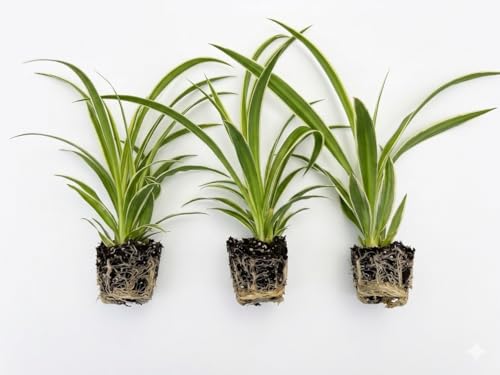 Spider plant — similar easy-care trailing habit, and cats often enjoy chewing it safely.
 Boston fern — a lush, full look for a hanging basket, fully safe.
 Calathea — striking patterned leaves without any toxicity risk.
Frequently Asked Questions
Is pothos toxic to cats?
Yes — all varieties, via insoluble calcium oxalate crystals that cause oral and GI irritation. Not fatal in typical cases, but keep it out of reach.
Is golden pothos toxic to cats?
Yes, same as every other pothos variety — Golden, Marble Queen, Neon, Satin, and all the rest share identical toxicity.
Can pothos cause kidney failure in cats?
No — that’s true lilies, a different plant and mechanism entirely. Pothos causes oral/GI irritation only.
Can I have a pothos if I have a cat?
Yes, with precautions — hang it somewhere your cat truly cannot reach, rather than assuming your cat will leave it alone.
How long does pothos poisoning last in cats?
Mild irritation typically resolves within a few hours to a day. See a vet if symptoms persist past 24 hours or your cat stops eating.
Related on CoquiPaws: Toxic Plants for Cats: The Complete List — the full quick-reference table covering every common houseplant, toxic and safe.
MORE FROM COQUIPAWS
- Toxic Plants for Cats: The Complete List — the full list this pothos deep-dive is part of
- 27 Toxic Things Hiding in Your Pet’s Home — hazards beyond plants that are just as easy to miss
- Do Cats and Dogs Need Pet Insurance? — what a plant-ingestion emergency vet visit can actually cost
One smart pet email a week.
No spam. No paid endorsements. Just one honest review or guide every Monday — starting with our free safety guide: «27 Toxic Things Hiding in Your Pet's Home».