
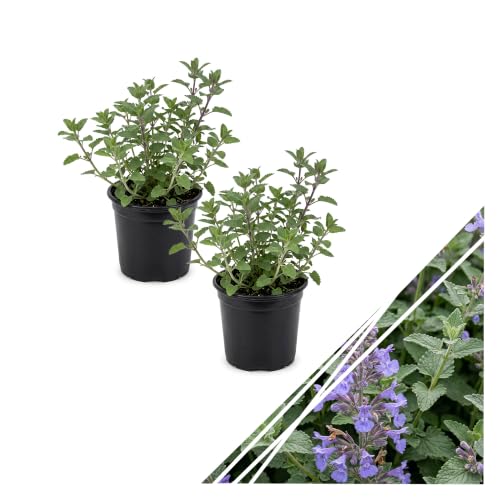
Almost every “toxic plants for cats” search hides a second question underneath it: which plants are actually safe? Non-toxic plant searches outnumber toxic ones nearly 4 to 1 — because most cat owners aren’t trying to identify a threat after the fact, they’re trying to shop for houseplants without gambling on their cat’s health. This guide answers both questions in one place, with a quick-reference table you can check before you buy anything.
RESEARCH-BASED GUIDE
Some links in this article are affiliate links. If you buy through them, I earn a small commission at no extra cost to you. I only recommend products I’ve tested or thoroughly researched.
This guide is based on extensive research, ASPCA Animal Poison Control Center data, and veterinary sources.
Quick Answer
The most dangerous houseplants for cats are true lilies (Easter, tiger, Asiatic, daylily — every part, including pollen and vase water, can cause fatal kidney failure), followed by moderate irritants like dieffenbachia, pothos, dracaena, and monstera (oral and GI irritation from calcium oxalate crystals, rarely fatal). Fully safe options include spider plants, Boston ferns, catmint, most succulents, and — despite its intimidating name — the Venus flytrap.
If your cat has eaten a lily or any plant on this list, call the ASPCA Animal Poison Control 24-hour hotline at (888) 426-4435, or your vet, immediately — don’t wait to see symptoms.
Table of Contents
- Quick-Reference Table: Is This Plant Toxic to Cats?
- What Plant Is Most Toxic to Cats?
- Do Cats Instinctively Avoid Toxic Plants?
- What to Do If Your Cat Ate a Toxic Plant
- Can Pothos Cause Kidney Failure in Cats?
- 100% Cat-Safe Plants Worth Buying
- Frequently Asked Questions
Quick-Reference Table: Is This Plant Toxic to Cats?
| Plant | Toxic to cats? | What it does |
|---|---|---|
| True lilies (Easter, tiger, daylily) | ☠️ Severe | Fatal kidney failure — any part, incl. pollen |
| Dieffenbachia | ⚠️ Moderate | Oral/GI irritation, drooling, swelling |
| Pothos | ⚠️ Moderate | Oral/GI irritation from calcium oxalate crystals |
| Dracaena marginata | ⚠️ Moderate | Vomiting, dilated pupils (cats especially) |
| Monstera deliciosa | ⚠️ Moderate | Oral irritation, same crystal mechanism as pothos |
| ZZ plant | ⚠️ Mild-Moderate | Skin/mouth irritation on contact or chewing |
| Aloe vera | ⚠️ Mild | Vomiting, diarrhea if ingested |
| Rubber plant | ⚠️ Mild | Skin/mouth irritation from sap |
| Peace lily (Spathiphyllum — not a true lily) | ⚠️ Moderate | Oral/GI irritation from calcium oxalate crystals — unlike true lilies, not fatal to kidneys, but still a vet-worthy visit |
| Snake plant | ⚠️ Mild | Nausea, vomiting, diarrhea from saponins if chewed |
| Peperomia | ✅ Non-toxic | Safe — a popular low-maintenance pick for cat owners |
| Spider plant | ✅ Non-toxic | Safe — cats often love chewing it |
| Boston fern | ✅ Non-toxic | Safe |
| Catmint / catnip | ✅ Non-toxic | Safe — the fun kind of plant reaction |
| Venus flytrap | ✅ Non-toxic | Safe per ASPCA — leaf edges just mildly sharp |
Source: ASPCA Animal Poison Control Center plant lists, cross-checked July 2026. Always confirm the exact species — many common names cover several plants with very different toxicity levels.
What Plant Is Most Toxic to Cats?
Direct answer: True lilies — Lilium and Hemerocallis species, which include Easter lilies, tiger lilies, Asiatic lilies, and daylilies — are in a different risk category entirely. Every part of the plant, including pollen brushed off fur during grooming and even the water in a vase, can cause fatal acute kidney failure in cats within days. This is what makes lilies uniquely dangerous compared to the rest of this list: most other “toxic” houseplants cause uncomfortable but rarely fatal oral and GI irritation, while a lily exposure is a true emergency regardless of how small the amount seemed.
Do Cats Instinctively Avoid Toxic Plants?
Direct answer: No — this is one of the most common and dangerous myths in pet ownership. Cats have no reliable instinct that warns them off toxic plants, especially bored indoor cats or kittens exploring the world mouth-first. Many cats chew houseplants purely for texture or out of curiosity, with zero regard for what’s actually inside the leaf.
The only reliable prevention is physical: keep toxic plants somewhere your cat genuinely cannot reach — not a shelf a cat could jump to, not a hanging basket a curious paw can bat down, but a room they don’t have access to, or simply not bringing the plant into the house at all.
What to Do If Your Cat Ate a Toxic Plant
Direct answer: Remove your cat from the plant immediately, identify exactly what it ate — a photo of the plant or a leaf sample helps a vet enormously — and call your vet or the ASPCA Animal Poison Control Center at (888) 426-4435 right away. Don’t wait for symptoms to appear; with some toxins, especially lilies, the most serious damage happens before any visible sign shows up.
Do not induce vomiting unless a vet or poison control specifically instructs you to — some plants cause more irritation coming back up than staying down, and inducing vomiting incorrectly can make things worse. The Pet Poison Helpline at (855) 764-7661 (consultation fee may apply) is a second 24/7 resource if the ASPCA line is busy.
Can Pothos Cause Kidney Failure in Cats?
Direct answer: No — that’s a common mix-up with true lilies, which work through a completely different mechanism. Pothos contains insoluble calcium oxalate crystals that cause oral and GI irritation (drooling, pawing at the mouth, vomiting) but do not cause kidney failure. If pothos is the specific plant you’re worried about, our companion guide breaks down every commercial variety — Golden, Marble Queen, Neon, Satin, Manjula, and more — and confirms they’re all equally toxic regardless of leaf pattern.
100% Cat-Safe Plants Worth Buying
Once you know what’s off-limits, the more useful project is filling the gap with plants that are genuinely, fully safe for a home with cats — no asterisks, no “safe in small amounts.”
 Catmint (catnip) — non-toxic and doubles as enrichment instead of a hazard.
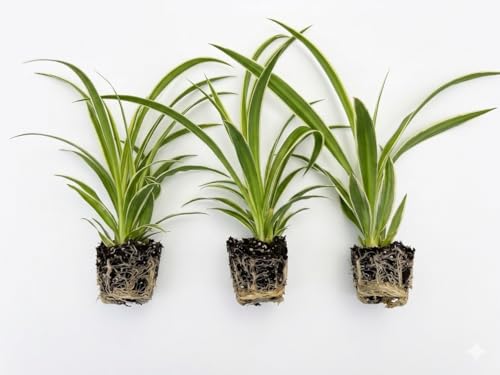 Spider plants — safe, and famously chew-resistant to actual damage since cats love them and rarely destroy them.
 Boston ferns — safe, and thrive in the humid bathroom light many apartments already have.
 Venus flytrap — genuinely safe per the ASPCA, and a fun conversation piece that a cat is unlikely to bother with anyway.
A printable toxic/non-toxic plants chart on the fridge is worth the $2–$13 it costs — it’s the fastest way for house-sitters, guests, or a partner to double-check before bringing home a new plant.
Frequently Asked Questions
Is pothos toxic to dogs too?
Yes — the same calcium oxalate crystals that irritate cats’ mouths and GI tracts affect dogs the same way. Symptoms (drooling, oral pain, vomiting) and the general severity are similar across both species.
What plant is most toxic to cats?
True lilies — every part, including pollen and vase water, can cause fatal kidney failure within days. Far more dangerous than most other “toxic” houseplants, which typically cause milder irritation, not organ failure.
What plants are 100% safe for cats?
Spider plants, Boston ferns, catmint, most succulents, calathea, and Venus flytraps are all non-toxic per the ASPCA.
Do cats instinctively avoid toxic plants?
No — a common and dangerous myth. Keep toxic plants physically out of reach rather than trusting a cat to know better.
What should I do if my cat ate a toxic plant?
Identify the plant, then call your vet or ASPCA Animal Poison Control (888-426-4435) immediately — don’t wait for symptoms.
Is a Venus flytrap toxic to cats?
No. The ASPCA lists it as non-toxic — at most, mild digestive upset from the leaf texture, not from any toxin.
Related on CoquiPaws: 27 Toxic Things Hiding in Your Pet’s Home — the broader household safety guide covering foods, medications, and cleaning products alongside plants.
PLANT-BY-PLANT SAFETY GUIDES
- Are Lilies Toxic to Cats? — the most dangerous common plant, read this one first
- Is Pothos Toxic to Cats?
- Is Monstera Toxic to Cats?
- Is Snake Plant Toxic to Cats?
- Are Hydrangeas Toxic to Cats?
- Are Mums Toxic to Cats?
- Are Peonies Toxic to Cats?
- Are Tulips Toxic to Cats?
- Are Roses Toxic to Cats? — good news, this one’s safe
- Flowers Not Toxic to Cats: The Full Safe List
MORE FROM COQUIPAWS
- Does Pet Insurance Cover Poisoning From Toxic Plants? — what an emergency visit actually costs, and what’s covered
- 27 Toxic Things Hiding in Your Pet’s Home — household hazards beyond plants worth checking too
- Do Cats and Dogs Need Pet Insurance? — why enrolling before an accident happens matters most
One smart pet email a week.
No spam. No paid endorsements. Just one honest review or guide every Monday — starting with our free safety guide: «27 Toxic Things Hiding in Your Pet's Home».